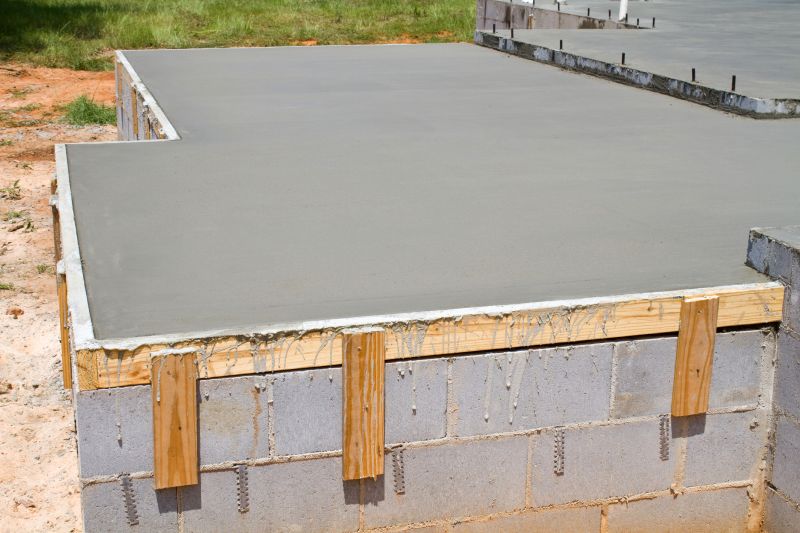
Basement Slab Installation in Charleston, SC
Basement slab installation involves pouring a concrete foundation that serves as the base for a basement or lower level of a property. This service is essential for creating a stable, level surface that supports the structure above and provides a durable foundation for finishing or remodeling projects. Typical projects include constructing new basements, replacing or repairing existing slabs, or preparing a space for flooring and interior development. Homeowners often want to understand the scope of the installation process, the materials used, and how the work can impact the overall stability and longevity of their property.
Before requesting basement slab installation, property owners usually seek information about the site preparation requirements, such as excavation or grading needs, as well as any necessary permits or inspections. It’s also common to inquire about moisture control, insulation options, and how the installation might affect existing structures or utilities. Clear understanding of these factors helps ensure the project aligns with property goals and local building standards, leading to a successful and lasting foundation.
Many property owners in Charleston, SC look into Basement Slab Installation for repairs, replacements, upgrades, and appearance-related improvements.
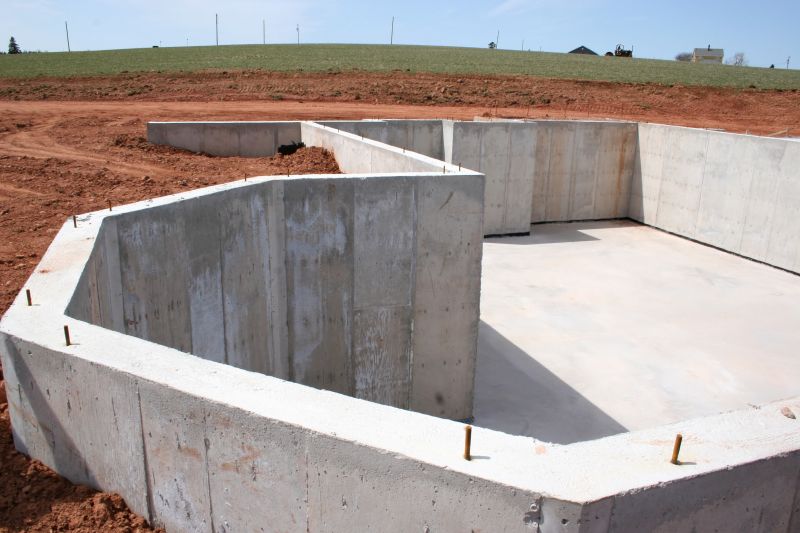
Benefits Of A Solid Basement Slab
A properly installed basement slab provides a durable foundation for your home or renovation projects.
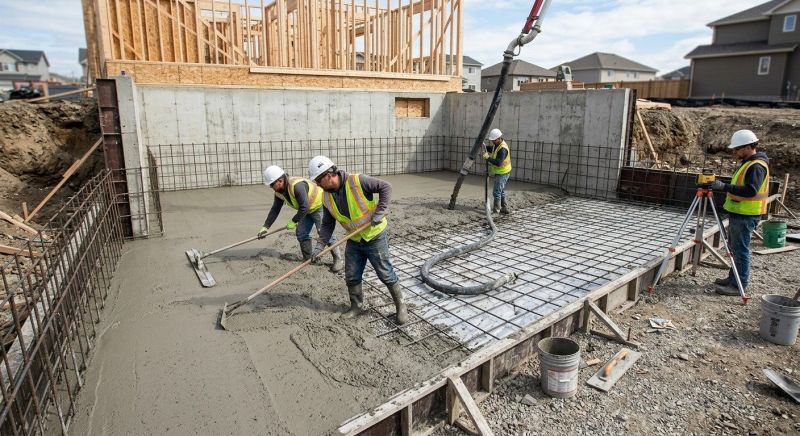
Common Basement Slab Applications
Basement slabs are essential for creating functional storage spaces, workshops, or additional living areas in charleston homes.
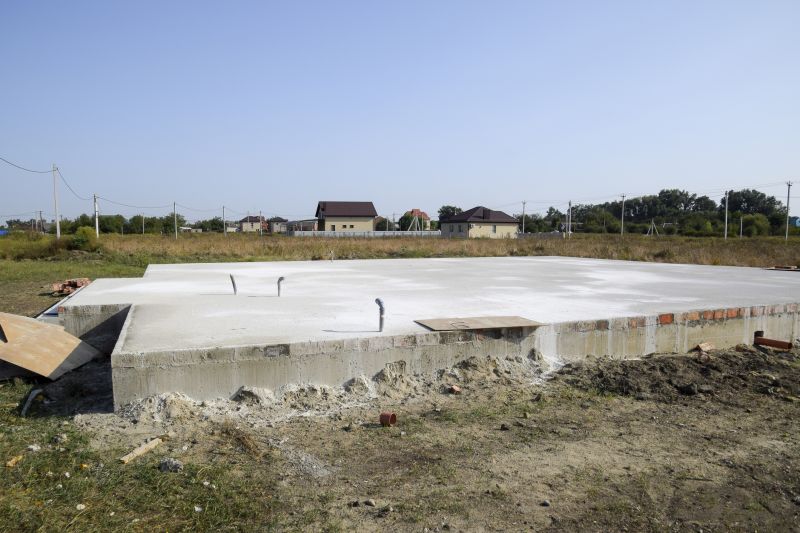
Key Factors In Basement Slab Installation
Proper soil preparation, moisture barriers, and quality materials are crucial for a long-lasting basement slab in the lowcountry climate.
Basement Slab Installation in Charleston, SC
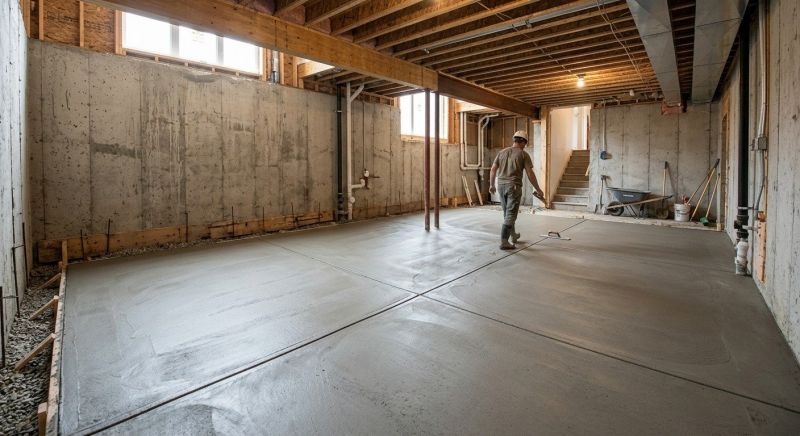
Basement slab installation involves pouring a concrete foundation that serves as the base for a basement or lower level of a property. This service is essential for creating a stable, level surface that supports the structure above and provides a durable foundation for finishing or remodeling projects. Typical projects include constructing new basements, replacing or repairing existing slabs, or preparing a space for flooring and interior development. Homeowners often want to understand the scope of the installation process, the materials used, and how the work can impact the overall stability and longevity of their property.
Before requesting basement slab installation, property owners usually seek information about the site preparation requirements, such as excavation or grading needs, as well as any necessary permits or inspections. It’s also common to inquire about moisture control, insulation options, and how the installation might affect existing structures or utilities. Clear understanding of these factors helps ensure the project aligns with property goals and local building standards, leading to a successful and lasting foundation.
Many property owners in Charleston, SC look into Basement Slab Installation for repairs, replacements, upgrades, and appearance-related improvements.
Common Basement Slab Installation Jobs
Basement Slab Installation - Provides a stable foundation for finishing or remodeling a basement.
New Construction Foundations - Essential for supporting new homes and ensuring long-term stability.
Repair and Reinforcement - Addresses cracks or settling issues to maintain structural integrity.
Waterproofing Slabs - Helps prevent moisture intrusion and future water damage.
Insulated Slab Installations - Enhances energy efficiency and comfort in basement spaces.
Custom Slab Designs - Allows for tailored solutions to meet specific basement layout needs.
Basement Slab Installation Questions
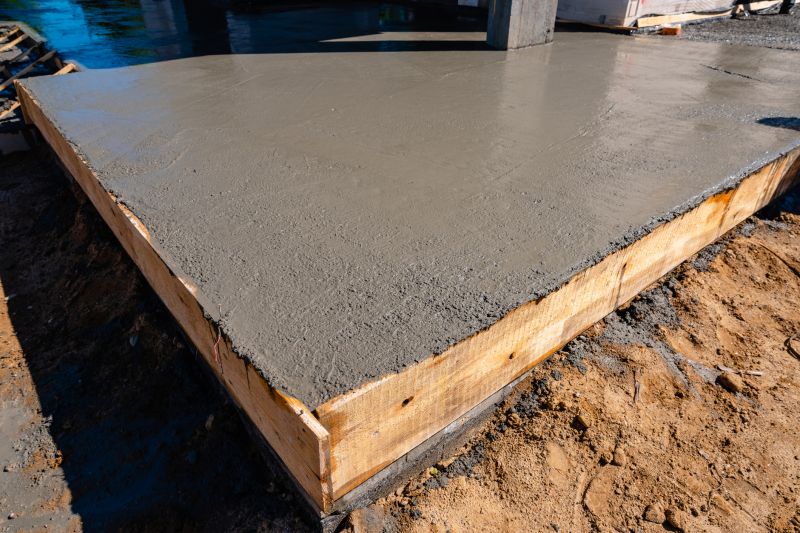
What is a basement slab installation? It involves pouring a concrete foundation slab to create a stable, level base for a basement or additional living space.
Why is proper preparation important? Proper site preparation ensures a solid foundation, preventing issues like cracking, shifting, or water intrusion over time.
What materials are used for basement slabs? Typically, reinforced concrete with moisture barriers and insulation is used to enhance durability and moisture resistance.
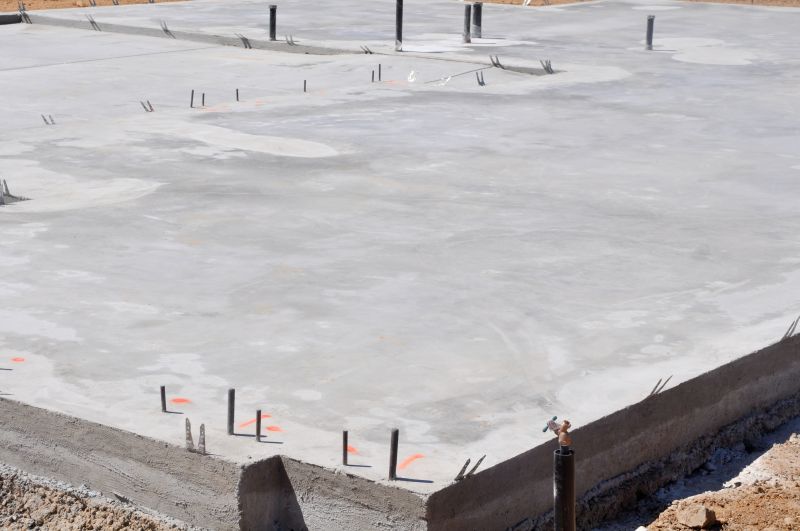
Are there different types of basement slabs? Yes, options include floating slabs, stem wall slabs, and post-tensioned slabs, depending on the project needs and soil conditions.
Request Basement Slab Installation in Charleston, SC
Use the quote form on this page to share the basics of your project and request more information for the type of work you need.